
Is Non Toxic Children's Makeup Safe? A Fun & Easy Parent’s Guide
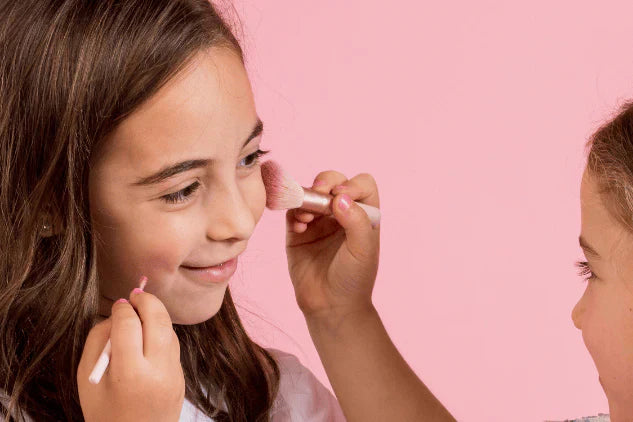
This guide explains why choosing safe, gentle products matters, while addressing common concerns and offering practical advice to ensure a fun, safe, and worry-free experience for children.
Key Takeaways:
2. Children’s skin is more delicate, so safer makeup helps prevent irritation and reduces exposure to harsh chemicals.
3. Keep it simple and start with child-friendly products like water-based nail polish and light lip balms.
4. Look for recognised safety standards such as EU cosmetic regulations, EWG Verified, or COSMOS Organic labels.
5. Always supervise use, carry out a patch test, and encourage good skincare habits when using kids’ makeup.
Top Natural & Safe Children's Makeup Picks for Kids
Here are some trusted and parent-approved makeup options designed especially for kids:
1. Miss Nella – A great choice for child friendly makeup in UK, featuring water-based, gentle formulas that are free from harsh chemicals and easy to remove without acetone.
2. Klee Naturals Makeup Kit – Made with minerals and botanicals, and free from parabens and artificial dyes, making it suitable for sensitive young skin.
3. No Nasties Kids Makeup – A vegan-friendly option with recyclable packaging and fun, kid-safe colours.
These non-toxic makeup brands are specially designed for children, offering safer, gentle formulas without harmful ingredients giving parents peace of mind while kids enjoy creative play.
| Harmful Chemical | Why It's Unsafe | Safer Alternative |
|---|---|---|
| Phthalates | Hormone disruptor, allergy risk | Coconut oil, beeswax |
| Formaldehyde | Skin/respiratory irritant | Vitamin E, plant-based preservatives |
| Toluene | Linked to neurotoxicity | Water-based polish |
| Styrene | Carcinogenic at high levels | Natural mica |
| Parabens | Hormonal effects, possible carcinogen | Grapefruit seed extract |
| Perfume/Fragrance | Triggers asthma and allergies | Fragrance-free |
| Alcohol | Dries and irritates skin | Aloe vera, rose water |
| Palm Oil | Environmental and skin concerns | Shea butter, olive oil |
Why Non-Toxic Makeup is Essential for Kids?
Research from the Campaign for Safe Cosmetics highlights that some products made for children can contain hidden harmful substances, including metals and volatile compounds, something no parent would want on their child’s skin, right? Another study by Environmental Health Perspectives found that children who regularly use personal care products may have higher levels of phthalates in their bodies, which can disrupt hormone development.
As also noted in The Guardian article, frequent use of such products can increase exposure over time, raising concerns for young, sensitive skin. With this in mind, many parents are now turning to safer alternatives and choosing the best makeup for young skin that avoids these risks.
Non-toxic options are becoming more popular as they are designed to be gentle, hypoallergenic, and free from harsh chemicals. Made with natural, skin-friendly ingredients and often fragrance-free, these products allow children to enjoy creative play while keeping their skin safe and protected.
Why Are Children More Sensitive to Makeup Products?
Children are naturally more sensitive to the effects of chemicals found in makeup, which is why choosing the right products matters. Their bodies are still developing, making them more vulnerable to even small amounts of exposure.
Here’s why extra care is important:
1. Thinner, delicate skin – Children’s skin absorbs products more easily than adult skin, increasing the risk of irritation.
2. Still developing bodies – Their organs and immune systems are not fully matured, so they may react more strongly to certain ingredients.
3. Higher absorption rate – Due to a higher surface-to-body weight ratio, even small amounts of product can have a bigger impact.
4. Sensitive to fragrances – Strong scents and added fragrances can cause irritation or discomfort.
That’s why it’s always best to opt for gentle, non-toxic makeup designed specifically for young skin keeping things safe while they enjoy a bit of creative play.
Adult Makeup vs Kids’ Makeup: What’s the Real Difference?
At first glance, makeup might seem the same but there’s a big difference between products made for adults and those designed for children.
Adult makeup often contains stronger ingredients, added fragrances, and long-lasting formulas that can be too harsh for young, sensitive skin. These products are created for durability and coverage, not for the delicate needs of children.
Kids’ makeup, however, is specially made with gentler, non-toxic ingredients. It’s usually water-based, easy to wash off, and designed to minimise the risk of irritation. While it may be simpler in appearance, it allows children to enjoy creative play in a safe and age-appropriate way.
Choosing child-friendly makeup means putting safety first, so kids can have fun while their skin stays protected.

Which Toxic Ingredients Should You Avoid in Kids’ Makeup?
This guide highlights some of the harmful toxic makeup ingredients often found in cosmetics, showing why it’s important to avoid them when choosing products for children.
Here are key ingredients to steer clear of:
1. Phthalates: Often used to make products more flexible, these can disrupt hormones and may cause allergies, making them unsuitable for children.
2. Formaldehyde: A preservative that can irritate the skin, eyes, and airways, and is considered a potential carcinogen.
3. Toluene: Commonly found in nail polishes, it’s linked to hormonal disruption and may affect the nervous system.
4. Styrene: Can cause skin irritation and, in higher amounts, may pose health risks over time.
5. Parabens: Widely used preservatives that may interfere with hormone function and raise long-term safety concerns.
6.Fragrance (Perfume): Added scents can trigger allergies, asthma, or skin sensitivity, so fragrance-free options are often a safer choice.
7. Alcohol: While common in many products, it can dry out and irritate young, delicate skin.
8. Palm Oil Derivatives: Its derivatives in skincare products pose risks, and the guide encourages avoiding them for children due to potential skin issues and environmental concerns.
Being aware of these ingredients can help you make safer, more informed choices when selecting makeup for children.
Getting Started with Safe Makeup for Kids in 5 Steps:
For parents managing their child’s interest in makeup, here are some practical and sensible steps to follow:
1. Choose non-toxic products – Go for makeup with simple, safe ingredients, and avoid anything with harsh or questionable chemicals.
2. Start with the basics – Begin with easy, child-friendly options like water-based nail polish for kids or gentle lip balm before introducing more products.
3. Keep an eye on skin reactions – Children’s skin can be quite sensitive, so opt for hypoallergenic products and watch out for any signs of irritation.
4. Think about their skin type – Whether your child has sensitive or slightly spot-prone skin, choosing the right products is key to keeping their skin healthy.
5. Encourage good habits early on – As they grow, guide them towards simple skincare routines and help them understand that confidence and self-expression matter more than appearance.
How Do You Know If “Non-Toxic” Makeup Is Genuine?
When it comes to choosing truly safe makeup for children, it’s important to look beyond the label and focus on proper standards and transparency. In the UK and Europe, products should comply with strict EU cosmetic regulations, which ensure safety and ingredient control. Here are a few simple ways to spot misleading “non-toxic” claims:
1. Check for Certifications: Look for recognised standards such as EWG Verified, COSMOS Organic or other EU-compliant safety labels. These show the product meets strict safety and transparency requirements. If there’s no clear certification, it’s worth being cautious.
2.Watch out for greenwashing: Terms like “natural”, “eco-friendly”, or “non-toxic” can sound reassuring, but they’re often used for marketing. Without proper proof or clear ingredient details, these claims may not mean much.
3. Read the Full Ingredient List: Don’t rely on front labels alone. Always check the ingredients and avoid anything containing parabens, phthalates, or artificial dyes, as these can be harsh on young skin.
4. Avoid Fragrance or Parfum: These can hide a mix of synthetic chemicals that may irritate sensitive skin. It’s better to choose fragrance-free options or those with clearly listed natural ingredients.
5.Look for age-appropriate labels: If a product doesn’t clearly state it’s suitable for children, it’s best to give it a miss. Proper kids’ makeup is specially formulated for younger, more delicate skin.
By keeping these points in mind, you can make more confident choices and ensure the products you pick are genuinely safe for your child.
Conclusion
Choosing the right makeup for your child isn’t just about fun, it’s about safety, confidence, and making informed choices. By opting for non toxic children's makeup, you can let your child explore creativity while protecting their delicate skin from harsh ingredients.
This guide has walked you through what to look for, what to avoid, and how to choose products that are truly safe and suitable for young skin. With the right approach, makeup can be a positive, playful experience that supports self-expression without compromising on care.
If you found this guide helpful, feel free to share it with other parents because safe choices make all the difference.
FAQs
Which are trusted child-friendly makeup brands in the UK?
Well-known brands like Miss Nella offer safe, gentle options designed especially for children. Their products are non-toxic, hypoallergenic, and made with minimal, skin-friendly ingredients—ideal for young, delicate skin.
Is kids’ makeup more expensive than regular makeup?
In some cases, yes. Kids’ makeup can cost a bit more due to safer ingredients and stricter testing. However, many parents find it worth it for the added safety and peace of mind.
How should non-toxic kids’ makeup be stored properly?
Keep makeup in a cool, dry place away from direct sunlight or heat. Always close lids properly to avoid contamination and check expiry dates to ensure it stays safe to use.
How can you tell if makeup is truly non-toxic?
Look beyond marketing claims. Check the full ingredient list, avoid harsh chemicals like parabens and phthalates, and look for EU-compliant safety standards or trusted certifications.
What should you look for in makeup for sensitive skin?
Choose products that are hypoallergenic, dermatologically tested, and fragrance-free. Gentle, natural ingredients are always a better choice for children with sensitive skin.
Can children use adult makeup products?
It’s best to avoid it. Adult makeup is often formulated with stronger ingredients that may not suit children’s sensitive skin. Always choose products made specifically for kids.
How do you check if makeup is safe for kids?
Look for labels such as “non-toxic”, “dermatologically tested”, and “safe for children”. Also, avoid products with strong fragrances or harsh chemicals.
At what age can children start using makeup?
There’s no strict rule, but many parents introduce light, play-based makeup around ages 5–7. It’s best to keep it minimal, supervised, and always use safe, child-friendly products.
Popular posts
Halloween Makeup Ideas for Kids: Fun, Safe, and Spooky Looks
Halloween is a fun festival for kids. And they love dressing up in their scariest attire and trick their friends with creativity. Halloween makeup for kids and face painting are popular amongst the little munchkins. So, whether your little one wants to transform themselves into a "Ghoulishly good creature" or a wicked witch, you can fulfil their wishes by following Halloween makeup ideas for kids. Take inspiration from the easy Halloween makeup ideas listed below and make them the star of any Halloween party.
Witch Face Makeup: Spellbinding Ideas for Halloween
As a parent, you might find yourself worried about your daughter’s Halloween costume! After all, boys have a lot of choices, from superheroes to fantasy creatures. Meanwhile, options might be quite limited for girls. Worry not! Even though options are limited, you can do more than makeup for it with quality, precision, and some creativity!

The 4 Gift Rule is A Lifesaver Idea this Christmas
It’s not much until Santa’s coming to town, and as parents, we have to sponsor him, right? You do not mind because you love your children and want to pamper them. However, happiness is not in the material things and showering your children with gifts might turn them into adults who take everything for granted. This is where the 4 gift rule comes into play.
How To Encourage Self Expression in Children
Self-expression is crucial to a child’s development. If children are encouraged to express what they want and feel, they will grow into confident and open adults. We cannot stress enough the importance of allowing children to express themselves. They need an environment of respect, love, and support to reveal their inner selves and thus discover who they are and what they like.

